
Homes in Bodmin and surrounding inland areas of Cornwall experience consistently higher humidity levels than many coastal locations. This creates unique challenges when installing and operating heating systems, particularly those using solid fuel. Pellet stoves are exceptionally well suited to these conditions when professionally specified and installed. Designed with sealed combustion automated fuel delivery and controlled airflow pellet stoves offer reliable efficient heating even in damp environments. With correct planning moisture management and expert installation pellet stoves provide a dependable heating solution for Bodmin properties and other high-humidity locations across Cornwall.
Bodmin sits inland and at elevation which contributes to higher average humidity and prolonged damp conditions. Rainfall is frequent and moisture can linger in buildings particularly those with thick stone walls or limited ventilation.
Older properties often struggle with condensation and slow drying times. These factors directly affect fuel storage combustion efficiency and long-term appliance performance.
Any heating system installed in Bodmin must be designed to operate reliably in these moisture-heavy conditions without compromising efficiency or safety.
Pellet stoves are engineered systems that operate within sealed combustion chambers. Unlike traditional wood burners they do not rely on frequent door opening or manual refuelling which can introduce moisture-laden air into the appliance.
Automated ignition and fuel feed ensure consistent combustion conditions regardless of external humidity. Internal sensors monitor airflow temperature and burn quality adjusting operation automatically.
This controlled environment allows pellet stoves to maintain efficiency and clean combustion even in high-humidity locations like Bodmin.
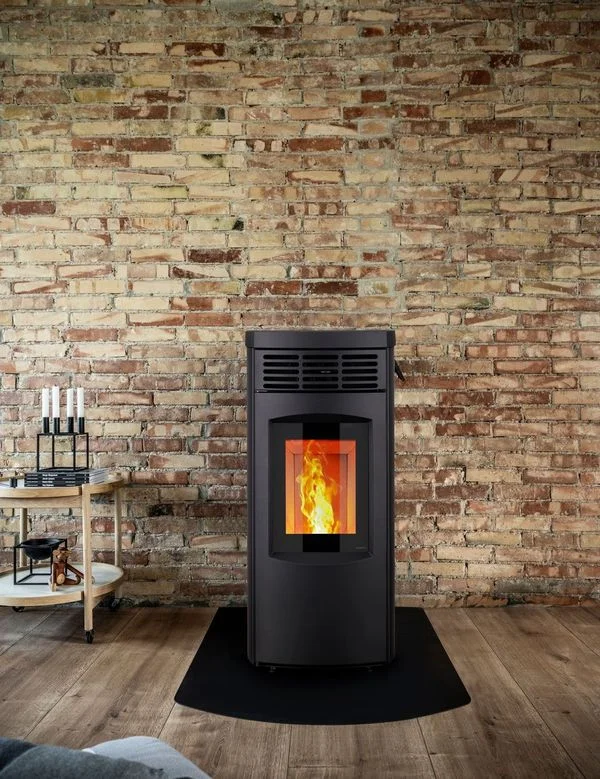
Fuel quality becomes especially important in humid areas. Wood pellets are hygroscopic meaning they absorb moisture from the surrounding air.
ENplus A1 pellets are manufactured with low moisture content and high density making them more resistant to atmospheric damp when stored correctly. Poor-quality pellets absorb moisture more quickly leading to crumbling inconsistent feeding and inefficient combustion.
Using certified pellets protects internal components such as augers igniters and sensors and ensures reliable operation throughout Bodmin’s wetter months.
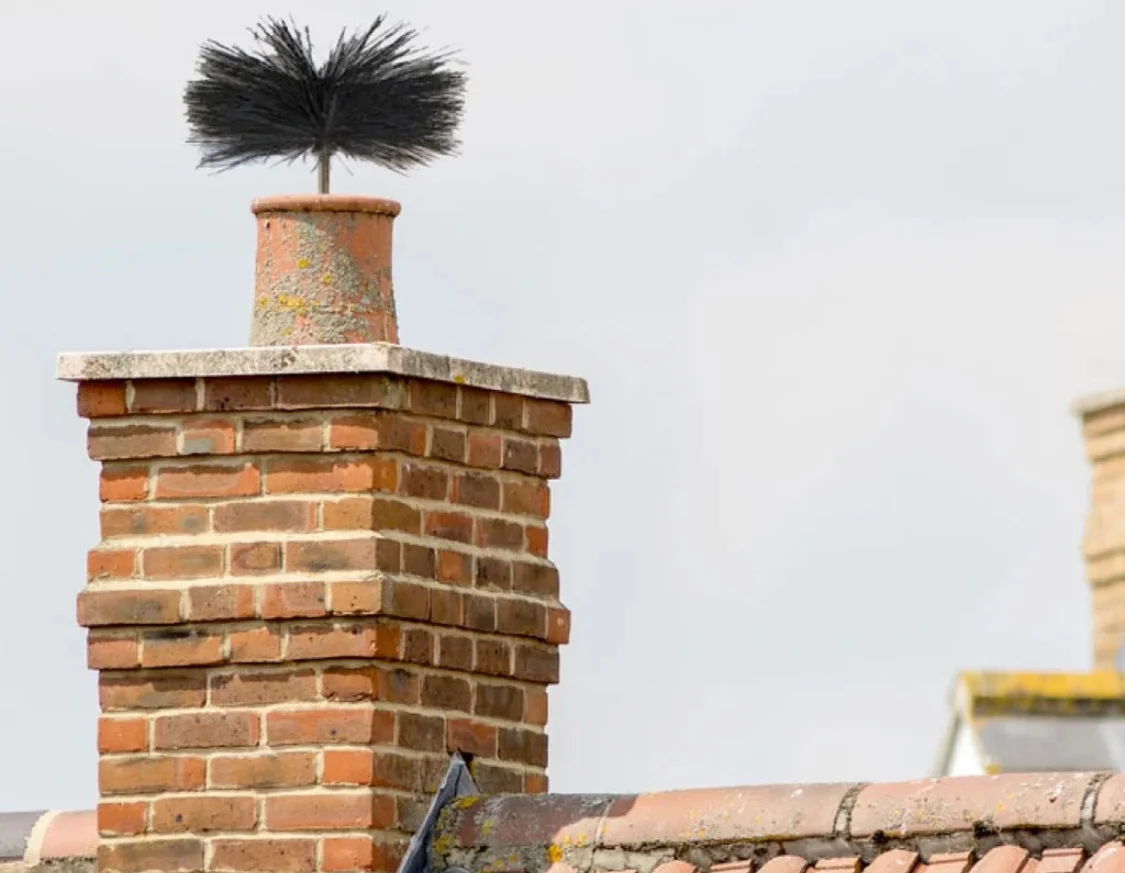
All installs by qualified HETAS-registered engineers across Cornwall & Devon.
Fully managed end-to-end project delivery, from survey to final commissioning.
Visit our Redruth showroom, TR16 5FG, by appointment or walk-in.
Free, no-obligation technical site surveys with our HETAS-registered surveyors.

Correct pellet storage is critical in Bodmin and similar areas. Pellets must be stored in dry sealed containers away from damp floors and unventilated spaces.
Professional installers advise on suitable storage locations such as utility rooms cupboards or purpose-built pellet bins. In some homes raised storage solutions are recommended to reduce ground moisture exposure.
Proper storage prevents pellet degradation, supports efficient combustion and reduces maintenance requirements.
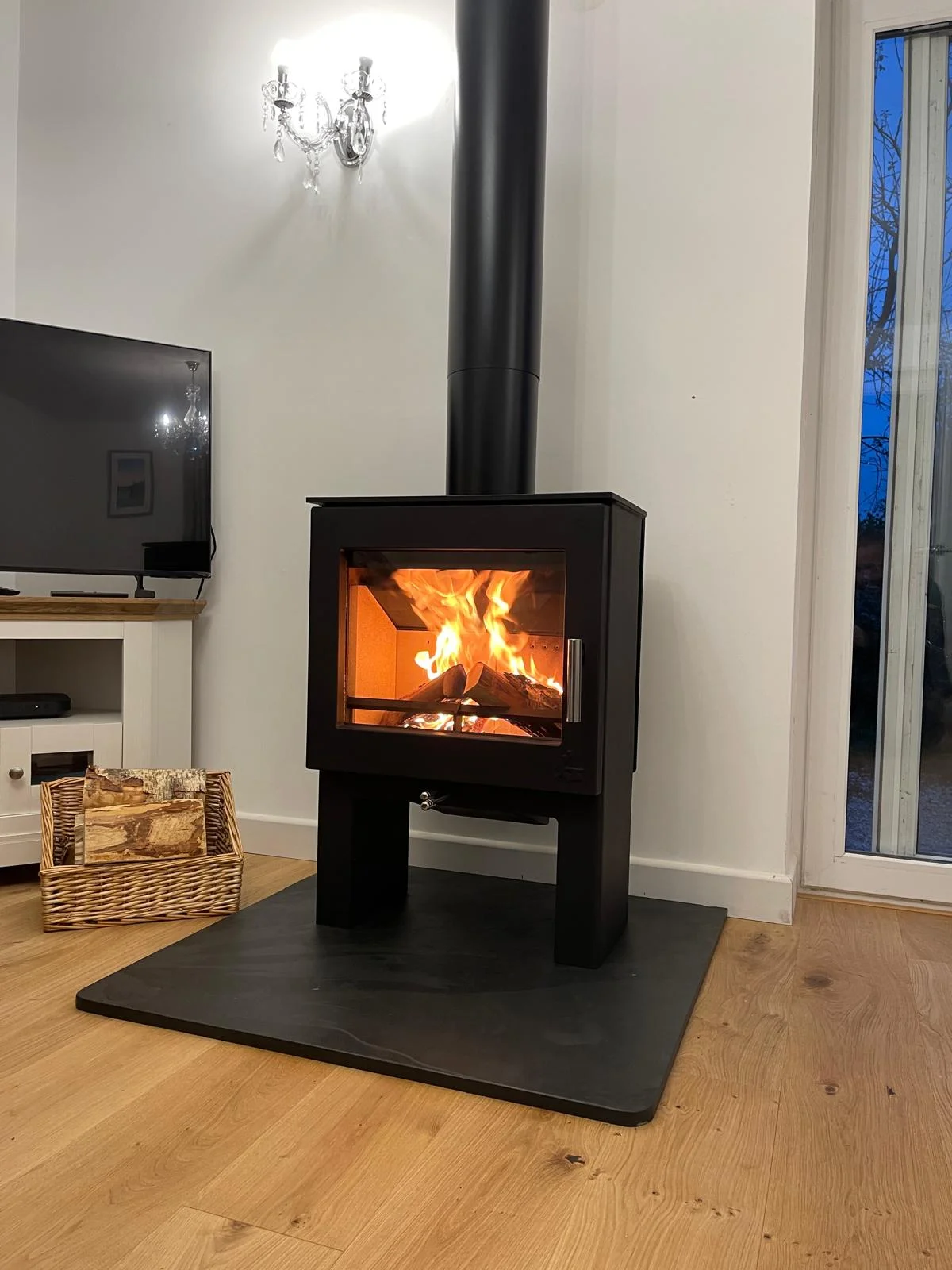
High humidity affects not only fuel but also internal air quality. Pellet stoves with room-sealed designs draw combustion air directly from outside rather than the living space.
This prevents moisture-laden indoor air from interfering with combustion and reduces condensation issues. It also improves overall heating efficiency and indoor comfort.
Room-sealed pellet stoves are particularly beneficial in modern airtight homes and renovated properties common around Bodmin.
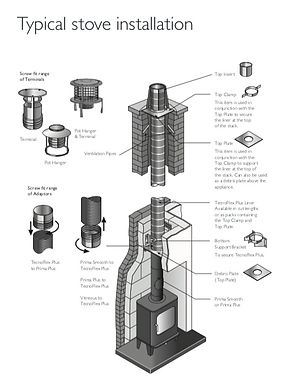
Flue selection is a key consideration in humid areas. External twin wall flue systems are commonly used in Bodmin properties where internal chimneys are unavailable or unsuitable.
Insulated twin wall flues maintain flue gas temperatures reducing condensation within the flue. Correct material selection and installation prevent moisture-related corrosion and performance issues.
Professional installers ensure flue routing and materials are suited to local environmental conditions.
Inland towns such as Bodmin can experience periods of stagnant air particularly during colder months. Clean combustion is therefore essential.
Pellet stoves produce significantly lower particulate emissions than traditional open fires and older wood burners. Their sealed combustion and automated operation reduce indoor and outdoor pollution.
This clean performance aligns with current Ecodesign and Defra standards helping future-proof heating systems in high-humidity inland areas.
Every pellet stove installation begins with a detailed site survey. In Bodmin this includes assessing humidity exposure building construction ventilation options and flue routing.
Granite or stone walls may require diamond core drilling for precise vent placement. Ventilation requirements are calculated carefully to ensure compliance and performance.
Professional planning ensures the system operates reliably from day one and avoids moisture-related issues later.
Regular servicing is particularly important in high-humidity environments. Annual maintenance includes cleaning heat exchangers, checking seals, inspecting sensors and verifying flue condition.
Servicing prevents moisture-related wear and ensures continued efficiency. Pellet stoves maintained correctly offer long service life even in challenging conditions.
Many installers provide service tracking to ensure systems remain in peak condition throughout the heating season.
Ready to get started? Fill in the form below and we’ll be in touch within 24 hours.