
Installing a fire or stove in Cornwall is not just about choosing the right appliance. Compliance certification and insurance protection are equally important. HETAS certification plays a central role in ensuring stove installations meet legal safety standards and are recognised by insurers and local authorities. In a county with granite buildings, coastal exposure and a high proportion of period homes correct certification is essential. Understanding how HETAS certification affects compliance insurance and long-term property protection helps homeowners avoid costly mistakes and ensures their heating system is safe, reliable and legally recognised.
HETAS is the official UK body that approves installers for solid fuel and biomass appliances. Certification confirms that an installer is competent to fit wood burners pellet stoves and associated flue systems in line with building regulations.
A HETAS-registered installer is authorised to self-certify work. This means installations are recorded correctly without the need for separate local authority inspections.
For Cornwall homeowners this ensures installations meet national standards while accounting for local building challenges.
In the UK installing a solid fuel appliance is classed as notifiable building work. This means it must comply with building regulations.
HETAS certification is one of the recognised routes to compliance. Without it homeowners may need to apply for building control approval which can be time-consuming and costly.
Non-compliant installations can lead to enforcement action difficulties when selling the property or invalidated insurance.

Most home insurance providers require proof that stoves and fires have been installed by a competent certified installer.
Without HETAS certification insurers may refuse cover for fire-related claims. This includes damage caused by chimney fires, smoke or carbon monoxide incidents.
In Cornwall where many properties are older or exposed to harsher conditions insurers are particularly strict about documentation.
HETAS certification provides written evidence that the installation meets recognised safety standards.
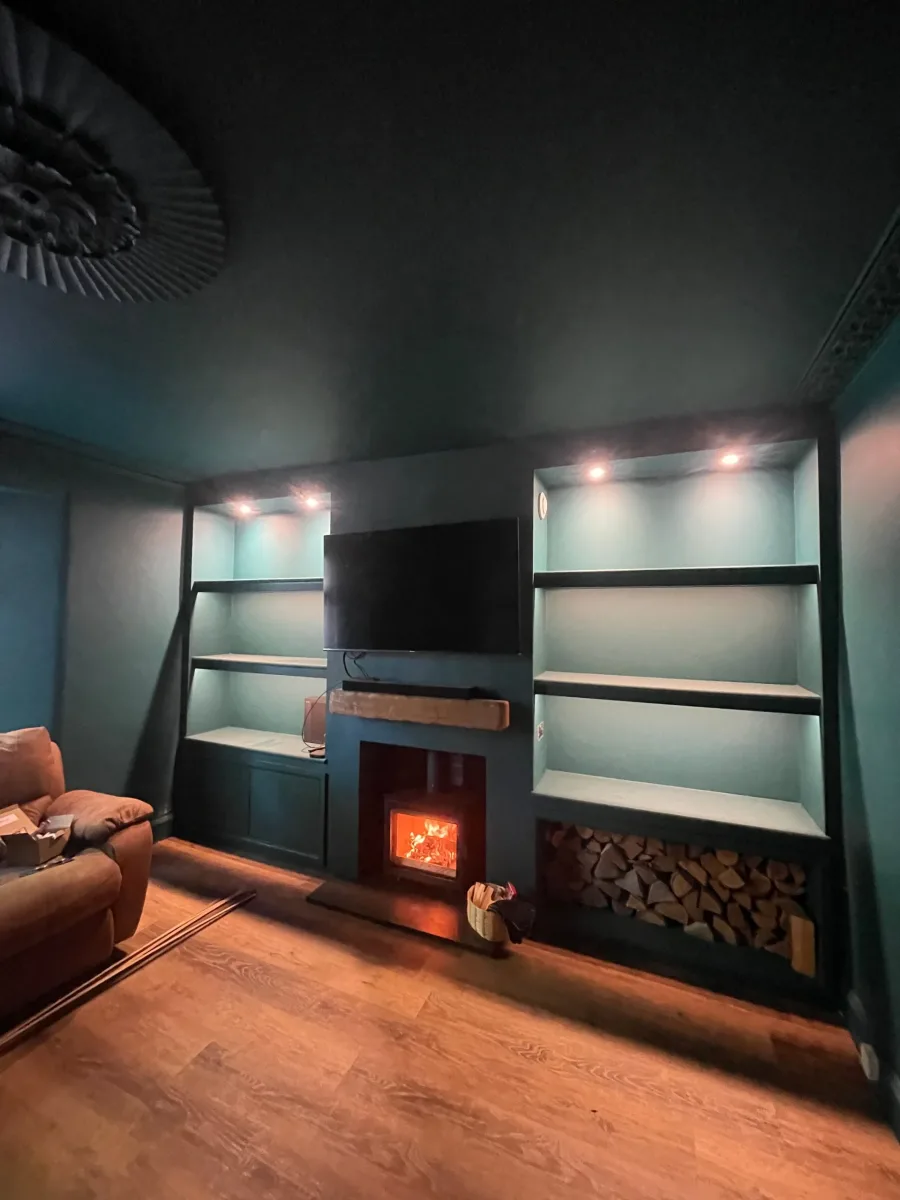
All installs by qualified HETAS-registered engineers across Cornwall & Devon.
Fully managed end-to-end project delivery, from survey to final commissioning.
Visit our Redruth showroom, TR16 5FG, by appointment or walk-in.
Free, no-obligation technical site surveys with our HETAS-registered surveyors.
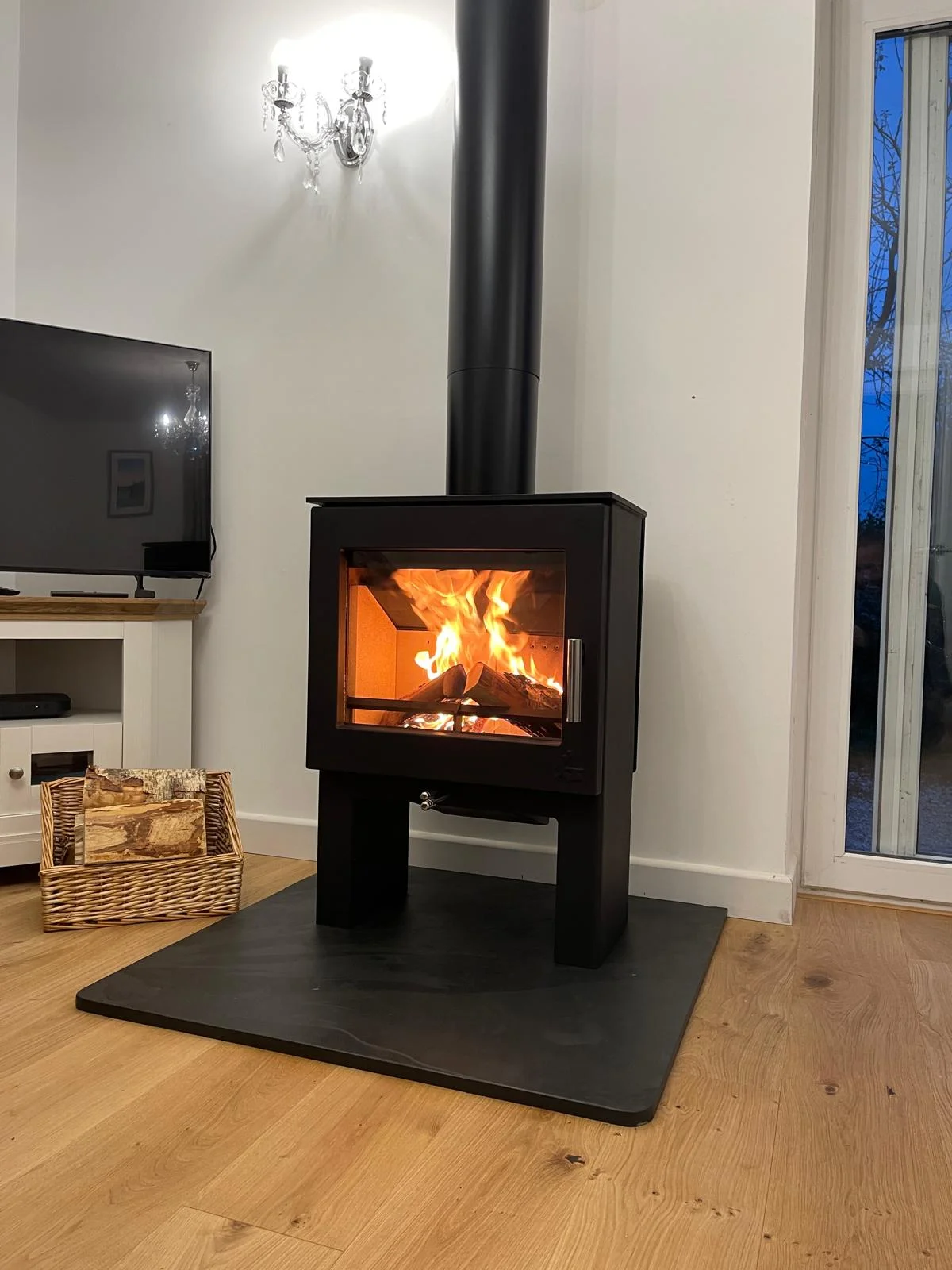
When selling a property any installed stove must be declared. Buyers solicitors and surveyors often request evidence of certification.
Missing or incorrect documentation can delay sales or require costly retrospective inspections. In some cases appliances must be removed or reinstalled to achieve compliance.
HETAS certification provides peace of mind that paperwork is in place and the installation will not become an obstacle during a property transaction.
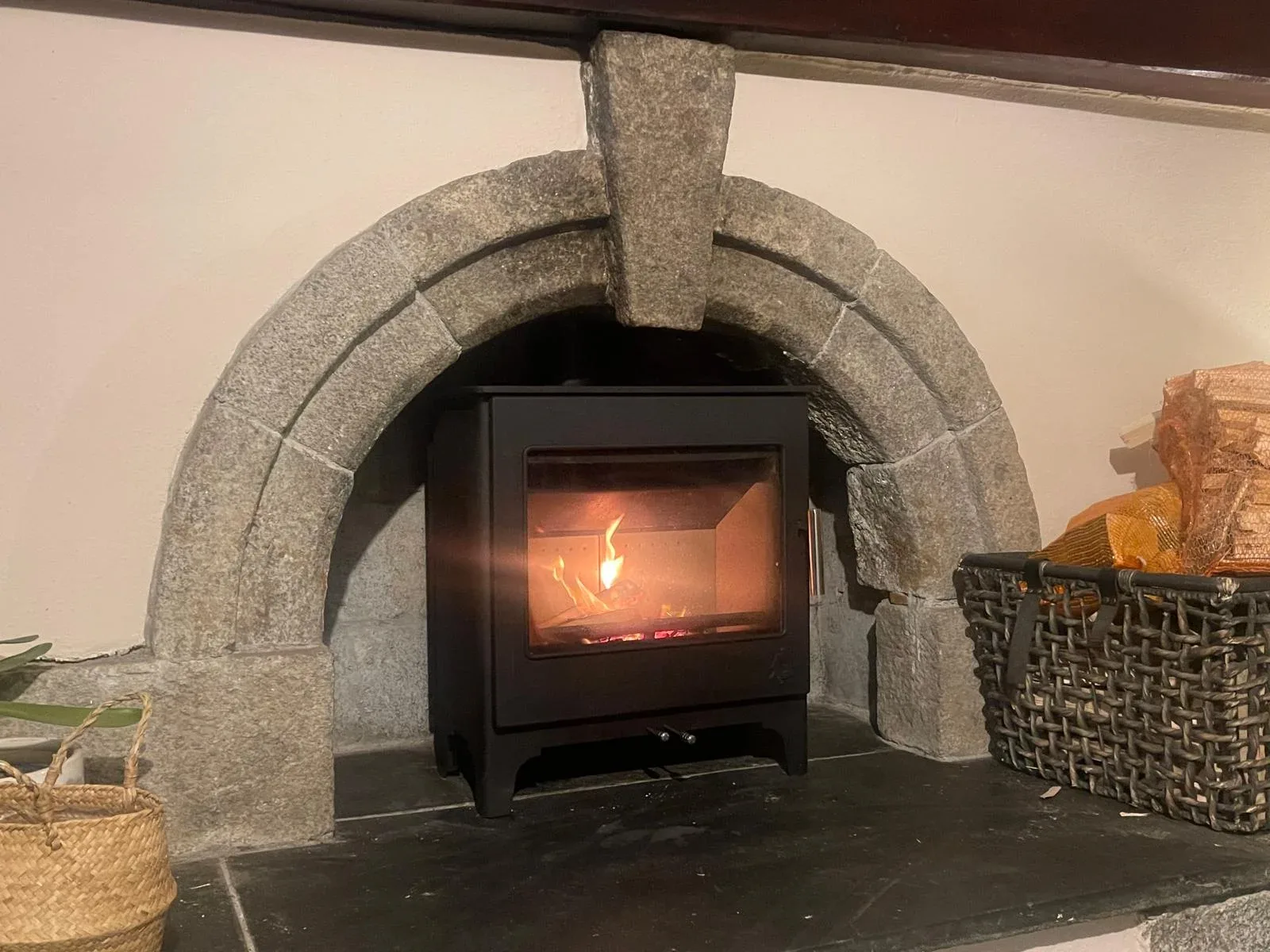
Cornwall’s housing stock presents unique compliance challenges. Granite walls, thick masonry shared chimneys and coastal exposure all affect how stoves are installed.
HETAS-certified installers are trained to assess these factors and install systems safely. Certification confirms that flue routing ventilation and appliance positioning have been planned correctly.
This local expertise is critical in ensuring installations remain compliant in non-standard buildings.
Pellet stoves are classified as biomass appliances and require the same level of certification as wood burners.
Correct installation includes sealed combustion flue specification ventilation provision and commissioning. HETAS certification confirms these requirements have been met.
Given the mechanical complexity of pellet stoves, certification is particularly important to ensure safe operation and warranty protection.
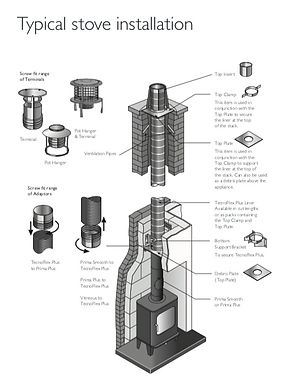
HETAS certification covers more than just the appliance. It includes the entire system such as flues ventilation hearths and clearances.
In Cornwall where external twin wall flues and alternative routes are common this oversight is vital. Certification confirms the system functions safely as a whole.
This documentation is essential for insurance and future maintenance.
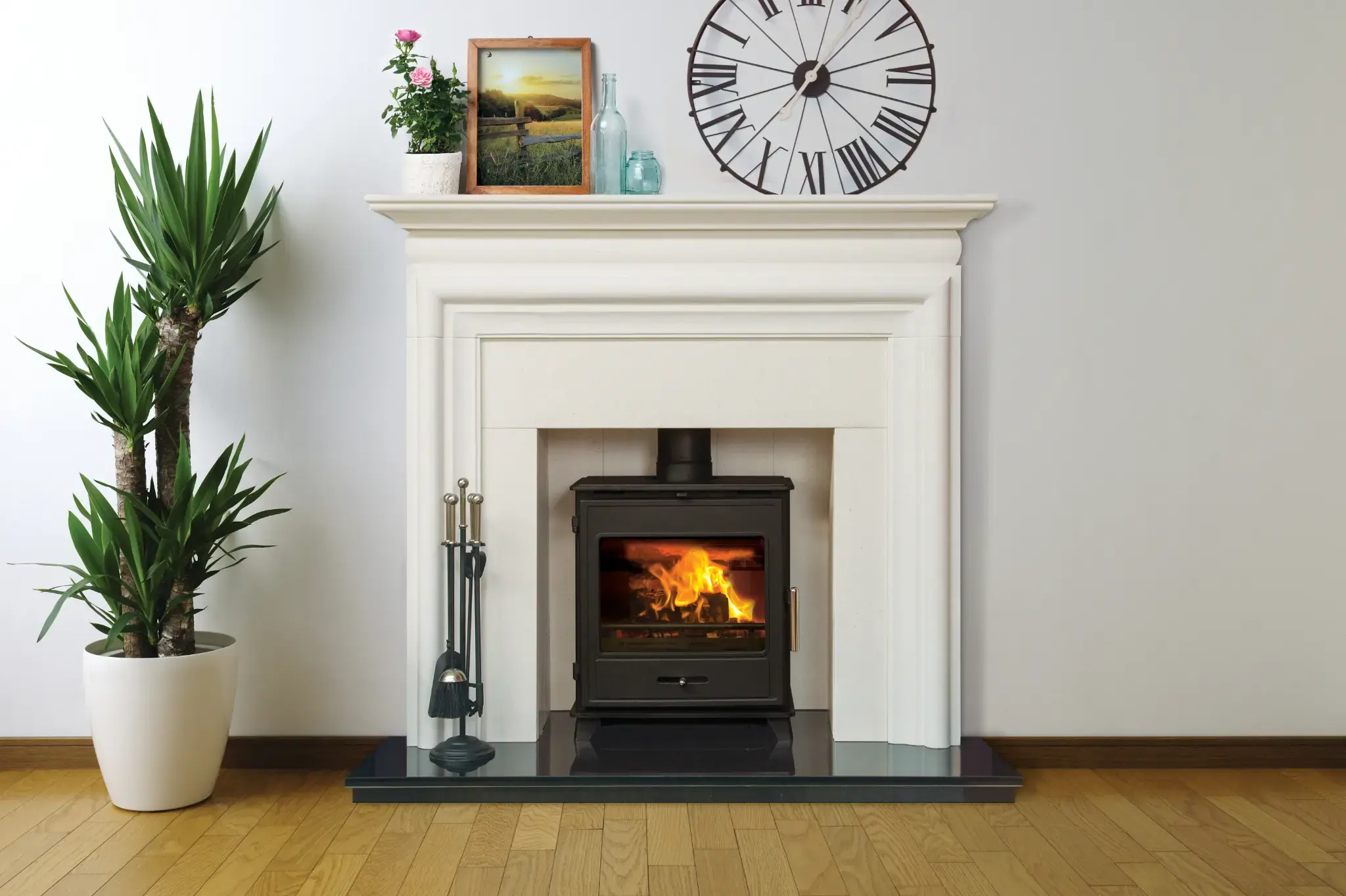
Uncertified installations often arise from cost-cutting or misinformation. While initial costs may appear lower the long-term risks are significant.
Non-compliant installations can lead to unsafe operation, increased emissions and insurance refusal. Retrofitting compliance later is often more expensive than doing the job correctly from the start.
Choosing a HETAS-registered installer avoids these risks entirely.
Compliance does not end after installation. Regular servicing ensures continued safe operation and maintains compliance.
Many installers maintain service records which support insurance claims and warranty conditions. This is especially important for pellet stoves with mechanical components.
Documented servicing demonstrates responsible ownership and protects long-term performance.
Ready to get started? Fill in the form below and we’ll be in touch within 24 hours.