
Bio-ethanol fires are often marketed as modern chimney-free heating solutions but confusion remains around how much heat they actually provide. For homeowners and apartment dwellers across Cornwall where traditional flues are often impractical bio-ethanol fires are frequently considered as an alternative to wood burners or pellet stoves. While they do generate real heat their role is often misunderstood. Separating fact from fiction is essential to ensure expectations match reality and that the right heating solution is chosen for the property and lifestyle.
A common misconception is that bio-ethanol fires are purely decorative and produce no usable heat. In reality bio-ethanol fires do generate genuine warmth through real flame combustion.
Because there is no chimney or flue 100 percent of the heat produced remains in the room. This makes them technically efficient in terms of heat retention. However efficiency does not equal output. While the heat produced is noticeable it is limited compared to solid fuel appliances.
Bio-ethanol fires are best suited to supplement existing heating rather than replace it entirely.
Most bio-ethanol fires produce between 2 and 4 kilowatts of heat depending on burner size and fuel quality. This is sufficient to raise the temperature in small to medium rooms but not to heat an entire property.
In Cornwall apartments, townhouses or open-plan living areas a bio-ethanol fire can provide comfortable ambient warmth particularly during milder weather. In larger stone properties or poorly insulated homes the heat output will not match that of a pellet stove or wood burner.
Understanding room size insulation and usage patterns is essential when considering a bio-ethanol fire.
Another widespread myth is that bio-ethanol fires require no ventilation at all. While they do not need a chimney or flue they do require access to fresh air.
Bio-ethanol fires consume oxygen and produce carbon dioxide and water vapour. Without adequate ventilation air quality can deteriorate particularly in airtight modern apartments.
Certified bio-ethanol fires comply with BS EN 16647:2015 which sets safety requirements for fuel consumption, room size and ventilation. Professional advice ensures installations are safe and appropriate for the space.
All installs by qualified HETAS-registered engineers across Cornwall & Devon.
Fully managed end-to-end project delivery, from survey to final commissioning.
Visit our Redruth showroom, TR16 5FG, by appointment or walk-in.
Free, no-obligation technical site surveys with our HETAS-registered surveyors.
Bio-ethanol fires are not designed to replace central heating systems. Their strength lies in flexibility, ease of installation and visual appeal.
They are ideal for properties where traditional flues are impossible such as listed buildings apartments or multi-storey developments where drilling through granite walls is not viable.
In Cornwall locations like St Ives Newquay or Falmouth where architectural restrictions apply bio-ethanol fires offer warmth and ambience without structural alterations.
One of the greatest benefits of bio-ethanol fires is their chimney-free design. This allows installation in properties where solid fuel or gas fires cannot be accommodated.
There is no need for flues, external pipework or major building work. This reduces installation time disruption and cost. It also makes bio-ethanol fires suitable for rental properties where permanent alterations are restricted.
For Cornwall homes with limited space or planning constraints this flexibility is a major advantage.
Bio-ethanol fuel burns cleanly producing no smoke soot or ash. This eliminates many of the air quality concerns associated with traditional fires.
However because combustion occurs within the room managing ventilation is critical. Modern certified burners regulate fuel consumption to maintain safe operating conditions.
Used correctly, bio-ethanol fires can support good indoor air quality while providing real flame heat and visual comfort.
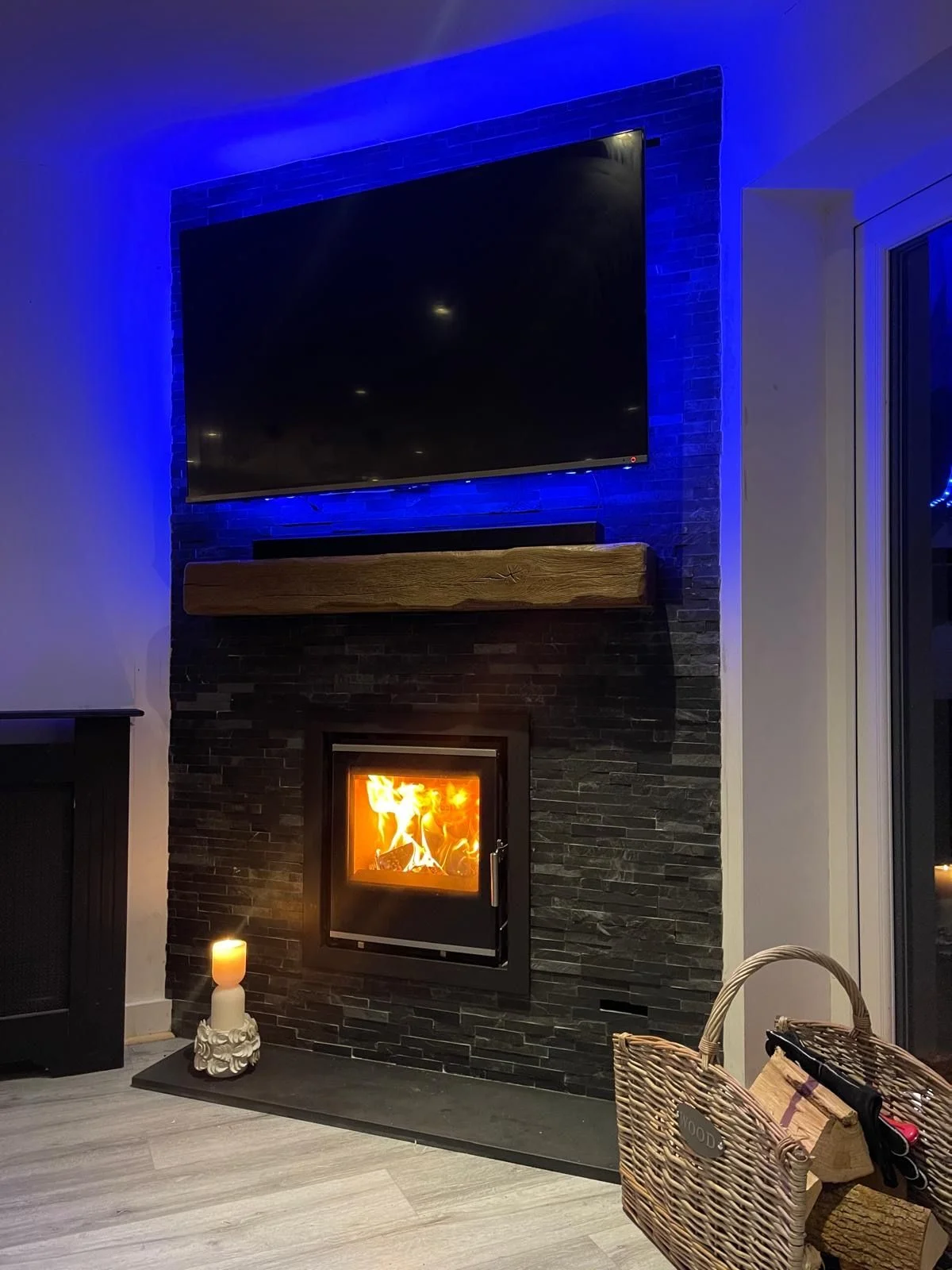
Bio-ethanol fires are particularly well suited to:
They are not intended to replace pellet stoves or wood burners in larger or colder properties but complement existing heating systems effectively.
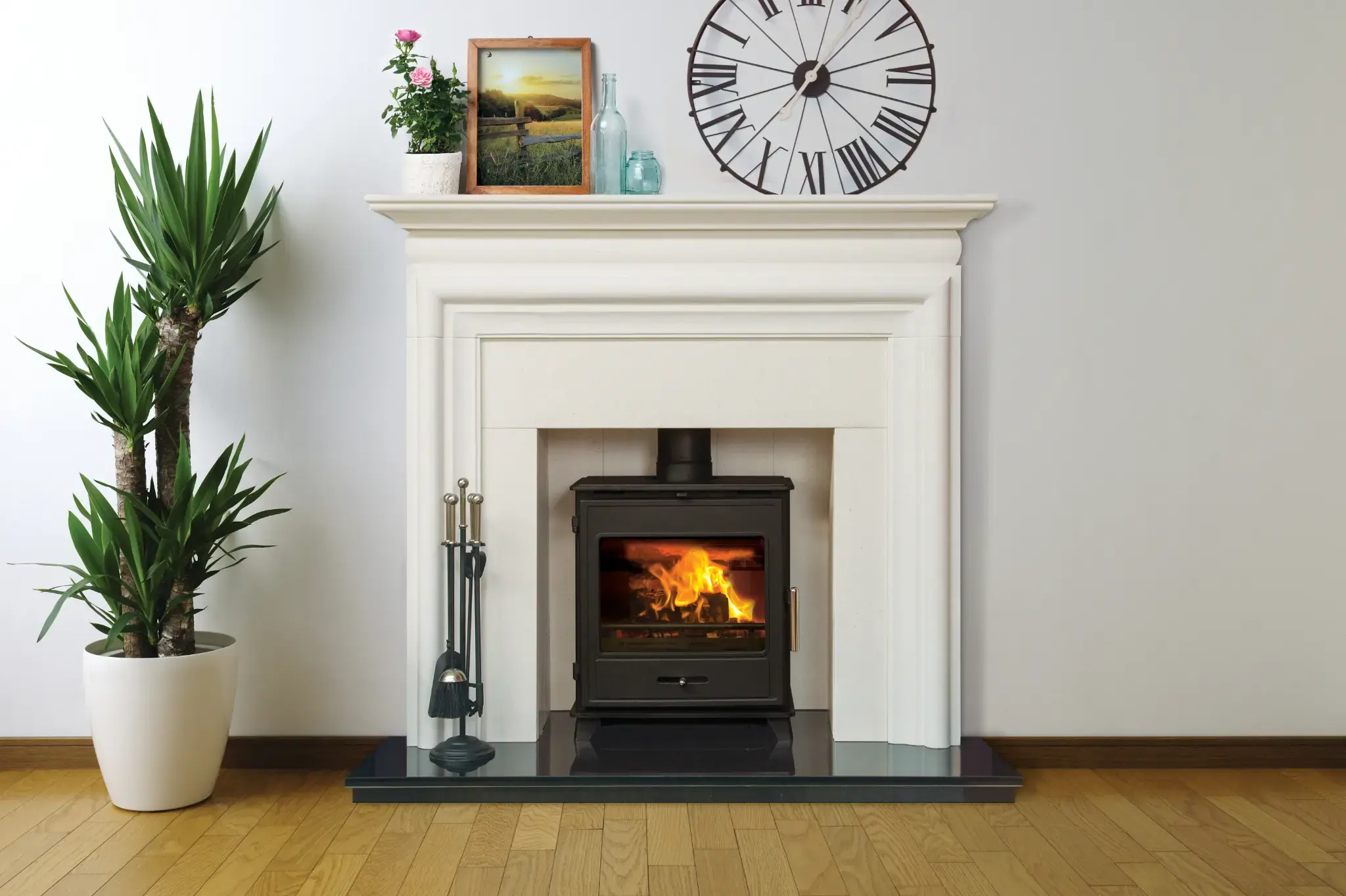
Bio-ethanol fires do heat a room but understanding their limitations is essential. They offer real warmth, visual appeal and unmatched installation flexibility but are best used as supplemental heating rather than primary systems.
For Cornwall homeowners facing chimney restrictions or seeking modern fire solutions bio-ethanol fires provide a practical balance of heat ambience and simplicity when chosen and installed with realistic expectations.
Ecodesign and Defra-exempt stoves are not about limiting choice. They are about improving performance, protecting air quality and ensuring heating systems are fit for modern living.
For Cornwall homes these standards provide clarity, confidence and a pathway to efficient clean and responsible heating. Choosing compliant appliances and professional installation allows you to enjoy warmth and comfort while meeting today’s environmental expectations and preparing for tomorrow’s regulations.
Ready to get started? Fill in the form below and we’ll be in touch within 24 hours.