
Bio-ethanol fires have become a popular solution for Cornwall homes where chimneys and traditional flues are not an option. However with increased adoption has come understandable concern around safety ventilation and indoor air quality. BS EN 16647 is the European safety standard that governs the design, installation and operation of bio-ethanol fires. Understanding what this standard covers and why it matters helps homeowners make informed decisions and ensures installations remain safe, compliant and suitable for Cornwall’s diverse range of properties.
BS EN 16647 is the recognised safety standard for decorative appliances that burn liquid bio-ethanol fuel. It sets out specific requirements for construction performance stability and safe operation.
The standard applies to freestanding wall-mounted and inset bio-ethanol fires intended for domestic use. It ensures appliances are designed to burn fuel in a controlled manner while minimising risks associated with open flame combustion.
For Cornwall homeowners BS EN 16647 provides reassurance that certified appliances have been independently tested to meet established safety criteria.
Unlike solid fuel or gas appliances bio-ethanol fires operate without a flue. All combustion takes place within the room. Without proper design this could present risks.
BS EN 16647 addresses these concerns by regulating fuel capacity burn rates and flame stability. This prevents excessive heat output from uncontrolled flames or rapid fuel consumption.
Using a certified appliance reduces the risk of accidents and ensures the fire behaves predictably under normal operating conditions.
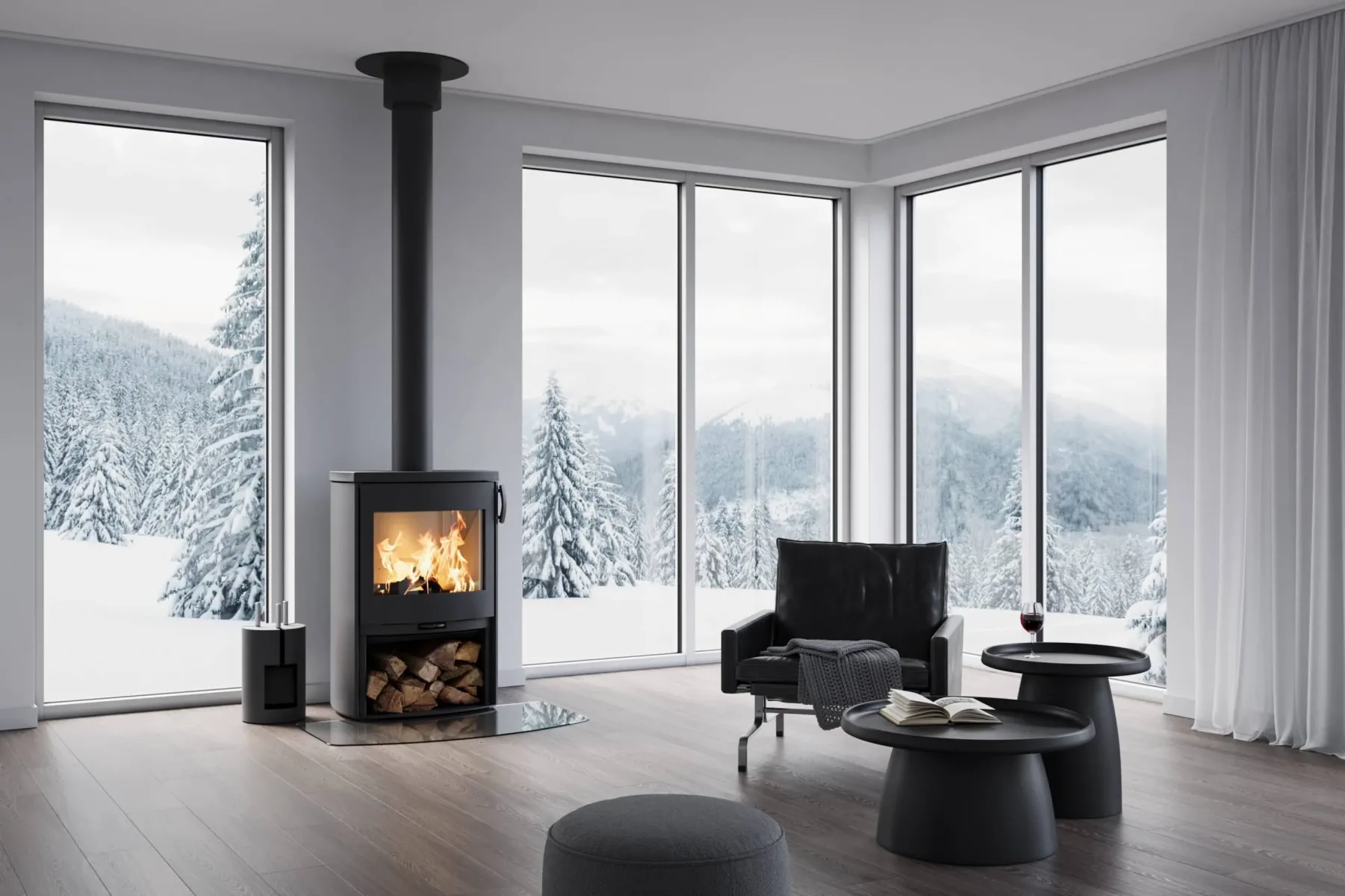
One of the most misunderstood aspects of bio-ethanol fires is ventilation. BS EN 16647 makes it clear that although no chimney is required adequate ventilation is essential.
Bio-ethanol fires consume oxygen and produce carbon dioxide and water vapour. The standard specifies minimum room volumes and airflow requirements to maintain safe oxygen levels.
Professional installers assess room size ventilation and air supply before recommending a fire. This is particularly important in modern Cornwall apartments where airtight construction is common.
All installs by qualified HETAS-registered engineers across Cornwall & Devon.
Fully managed end-to-end project delivery, from survey to final commissioning.
Visit our Redruth showroom, TR16 5FG, by appointment or walk-in.
Free, no-obligation technical site surveys with our HETAS-registered surveyors.
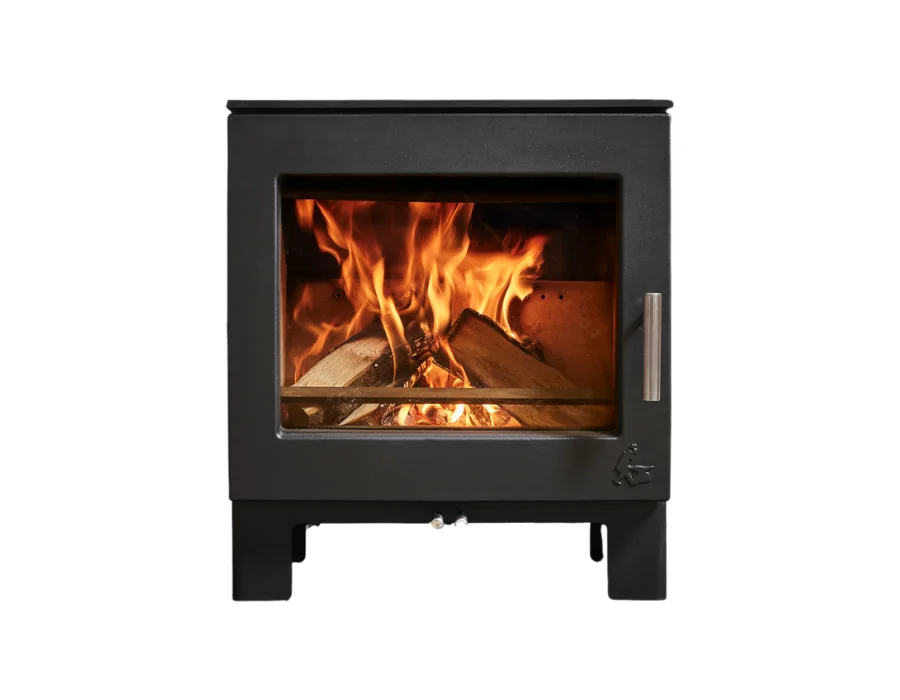
BS EN 16647 limits how much fuel a burner can hold and how quickly it can be consumed. This prevents prolonged uncontrolled burning and reduces fire risk.
Certified burners are designed to allow safe refuelling only when cool and to prevent fuel spillage during operation. Many incorporate safety features such as spill-resistant chambers and flame regulation systems.
These controls ensure bio-ethanol fires deliver consistent safe performance without user intervention.
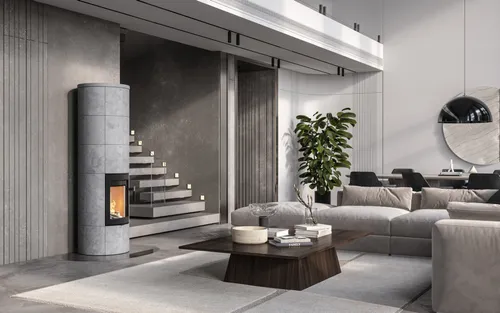
Bio-ethanol fires certified to BS EN 16647 are designed as decorative appliances with supplementary heating capability. The standard reflects this by limiting maximum heat output.
This ensures fires do not overheat rooms or encourage unsafe use as primary heating sources. In Cornwall homes this distinction is important particularly in granite properties where heat retention differs.
Understanding this limitation helps homeowners use bio-ethanol fires appropriately and safely.
The standard includes stability testing to ensure freestanding fires cannot be easily tipped. Wall-mounted and inset models must meet fixing and load requirements to prevent detachment.
This is especially relevant in homes with uneven stone floors or older wall structures common in Cornwall.
Professional installation ensures fires are positioned securely and used within manufacturer guidelines.
BS EN 16647 requires manufacturers to provide clear instructions covering fuel handling ignition shutdown and maintenance.
These instructions reduce the risk of misuse such as refuelling while lit or using inappropriate fuels. Education plays a vital role in safe operation.
Installers should always demonstrate correct use and advise homeowners on best practice.
In listed buildings, apartments and dense housing areas safety assurance is critical. BS EN 16647 certification provides evidence that a bio-ethanol fire meets recognised safety standards.
This can support planning discussions, insurance considerations and peace of mind for property owners and occupants.
For Cornwall homes where traditional fires are restricted, certification is a key factor in responsible installation.
BS EN 16647 exists to ensure bio-ethanol fires are safe when used correctly. For Cornwall homeowners it provides a framework for selecting suitable appliances, understanding ventilation needs and setting realistic expectations.
Choosing a certified fire and working with knowledgeable installers allows you to enjoy real flame ambience and supplementary warmth while maintaining safety compliance and protecting your home and those who live in it.
Ready to get started? Fill in the form below and we’ll be in touch within 24 hours.