
Concerns about air quality and wood burners have grown rapidly in recent years, with headlines often suggesting that all stoves are harmful and outdated. As the UK moves into 2026 new emission labels, updated guidance and tighter standards have changed the landscape significantly. The reality is far more nuanced. Modern wood burners bear little resemblance to older open fires or inefficient stoves of the past. Understanding how emissions are measured, what has changed in stove design and how different technologies compare is essential for homeowners considering or already using a wood burner in Cornwall and across the UK.
Much of the concern around wood burners stems from comparisons with older open fires and pre-Ecodesign appliances. Open fires are highly inefficient and release large volumes of particulate matter directly into the atmosphere.
Historic data often quoted in media reports does not reflect modern stove performance. Some widely shared statistics compare a single stove’s entire burn cycle with a car’s exhaust output at cruising speed which creates a misleading impression.
These comparisons fail to account for advancements in combustion technology regulation and fuel quality.
Particulate matter known as PM2.5 refers to very fine particles that can penetrate deep into the lungs. Reducing PM2.5 emissions is a major focus of air quality regulation.
Older stoves and open fires produce high levels of PM2.5 due to incomplete combustion and uncontrolled airflow. Modern stoves are designed specifically to minimise this through improved airwash systems, secondary combustion and precise airflow control.
Understanding PM2.5 helps explain why modern appliances perform very differently to outdated systems.
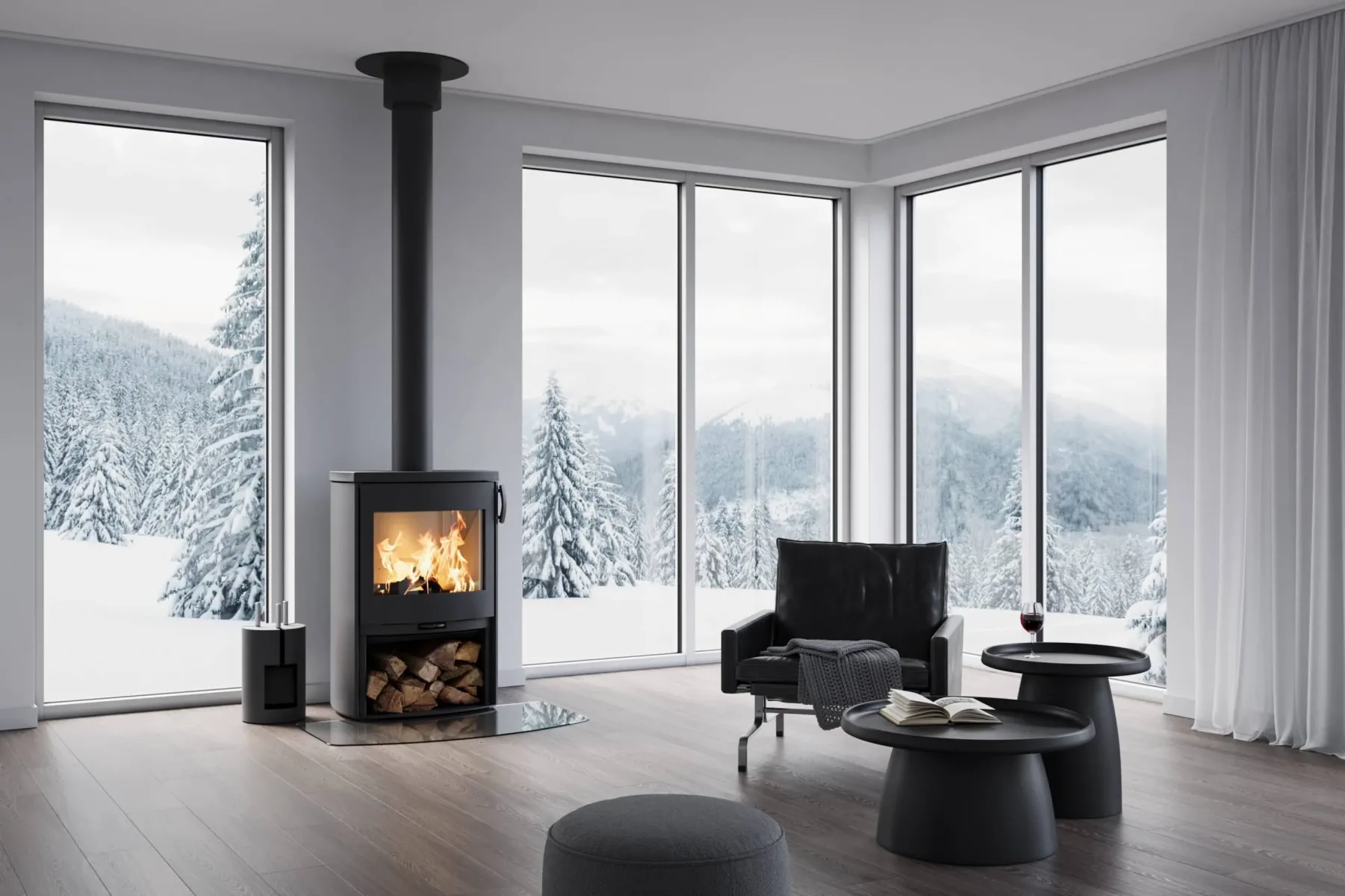
Ecodesign regulations introduced strict limits on emissions and efficiency for new stoves sold in the UK. Defra exempt appliances are approved for use in Smoke Control Areas.
Modern Ecodesign stoves reduce particulate emissions by up to 90 percent compared to open fires. They also burn fuel more completely resulting in higher heat output from less wood.
Pellet stoves go further by using sealed combustion and automated fuel delivery which maintains consistent burn conditions.
All installs by qualified HETAS-registered engineers across Cornwall & Devon.
Fully managed end-to-end project delivery, from survey to final commissioning.
Visit our Redruth showroom, TR16 5FG, by appointment or walk-in.
Free, no-obligation technical site surveys with our HETAS-registered surveyors.
In 2026 the UK introduced clearer energy and health labels for domestic solid fuel appliances. These labels rate stoves from A to C based on efficiency and emissions performance.
A-rated appliances meet the strictest emission thresholds including smoke output below 1 gram per hour. Lower-rated appliances are gradually being phased out or restricted.
This labelling helps homeowners make informed decisions and distinguishes modern clean appliances from outdated polluters.
One of the most repeated claims is that a single wood burner produces more pollution than multiple diesel cars. This statement is often misunderstood.
Many comparisons measure a car’s emissions at steady cruising speed against a stove’s emissions during lighting refuelling and burn-down combined. This inflates apparent stove emissions.
When comparing equivalent time frames and modern appliances the difference is far smaller particularly when using Ecodesign or pellet systems.
Another concern is indoor air quality. The largest spikes in indoor pollution from wood burners occur during lighting and refuelling.
Modern stoves reduce this risk through improved door seals, airwash systems and cleaner ignition. Pellet stoves virtually eliminate indoor smoke release because the door remains closed during operation.
Correct installation fuel choice and user behaviour play a major role in maintaining healthy indoor air quality.
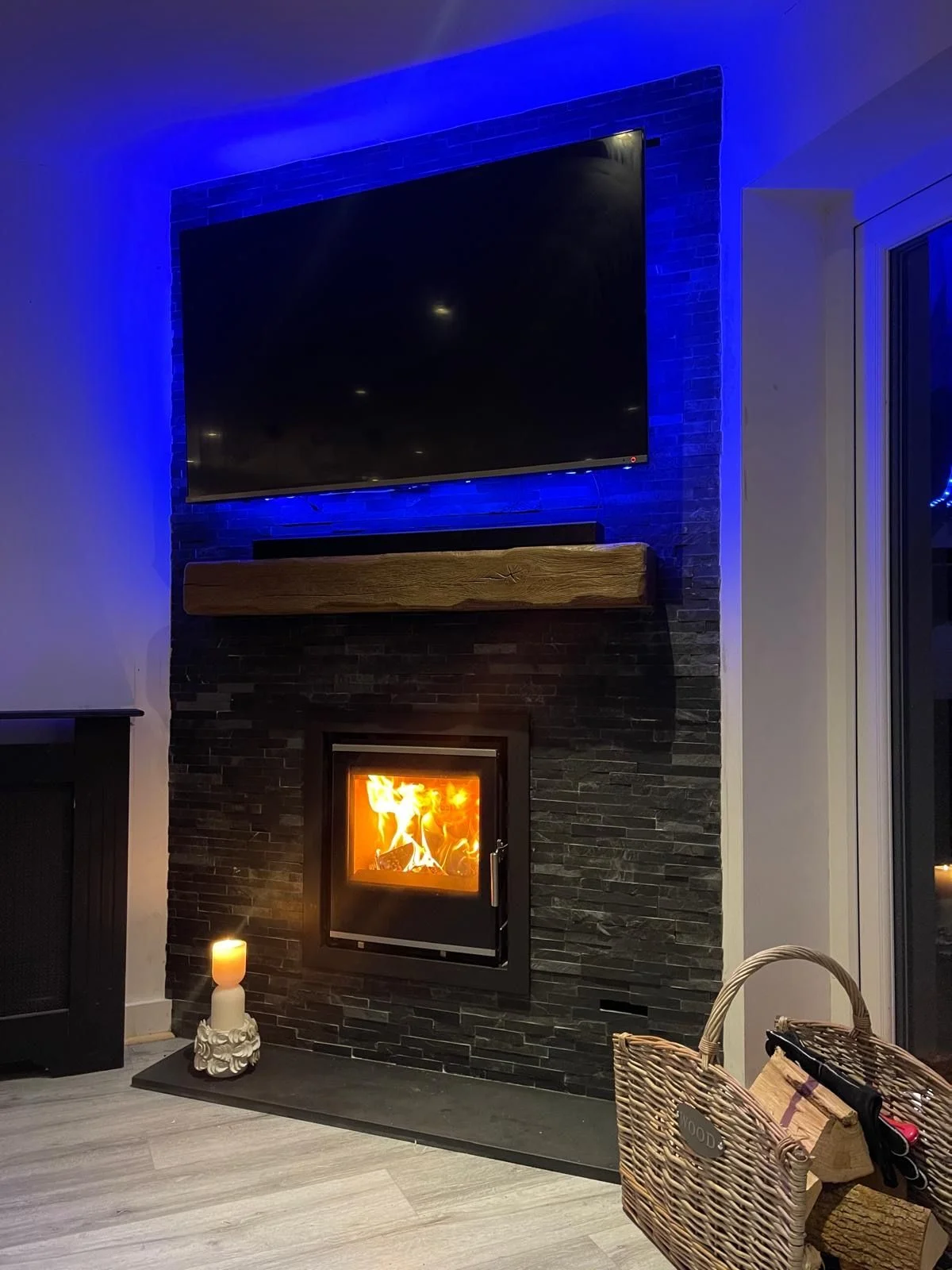
Burning wet or poor-quality wood dramatically increases emissions. Logs must be properly seasoned and stored to burn cleanly.
Certified fuels burn more efficiently and reduce smoke output. For pellet stoves using ENplus A1 pellets ensures consistent low-emission performance.
Fuel quality is one of the most significant factors in determining real-world air quality impact.
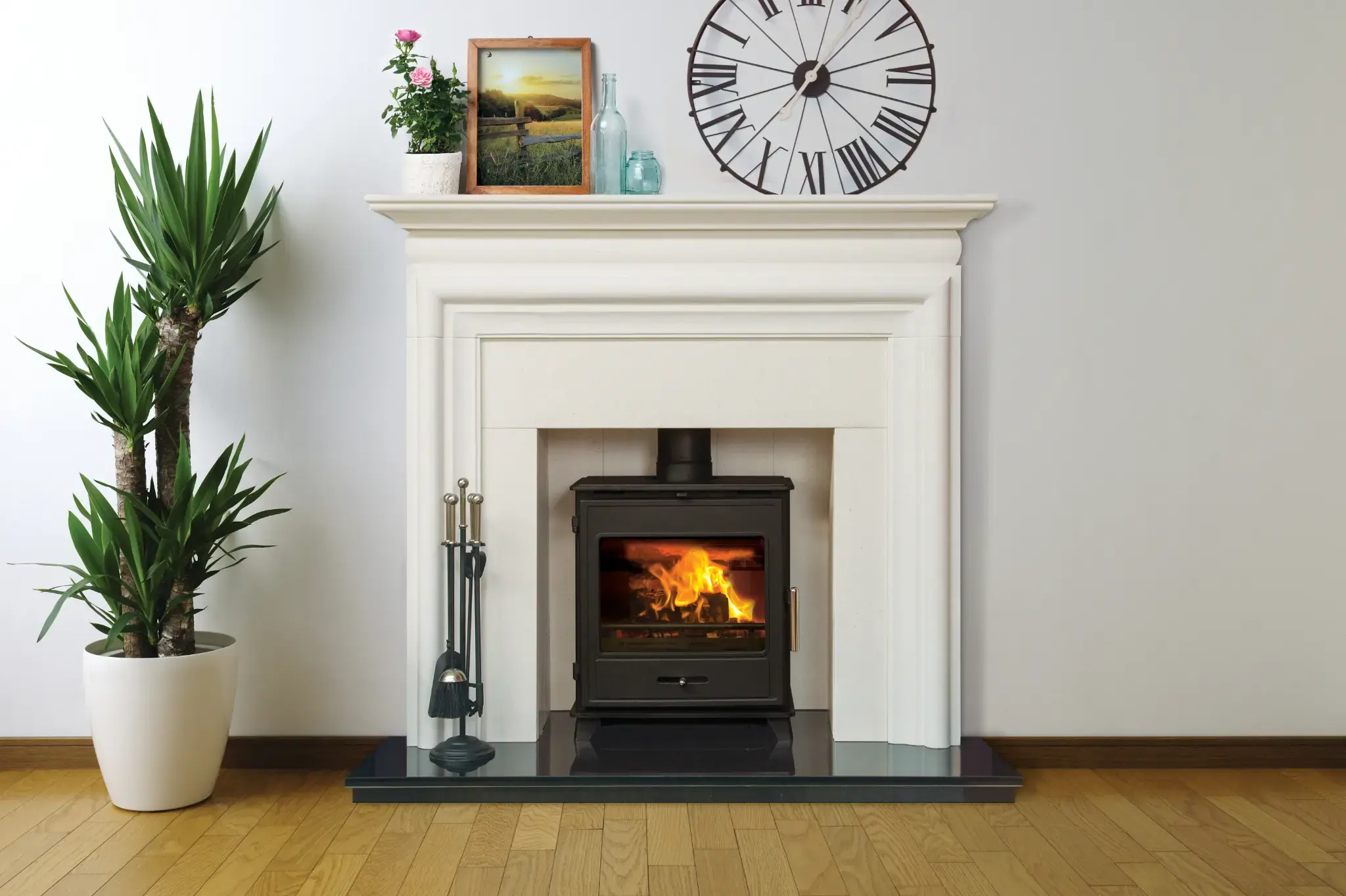
Pellet stoves are often considered the cleanest solid fuel option available. Their automated operation sealed combustion and precise fuel control result in very low particulate emissions.
While modern wood burners perform well pellet systems offer greater consistency and less user-related variation. This makes them particularly attractive for homeowners prioritising air quality.
Both technologies when installed correctly and used responsibly perform far better than open fires.
Cornwall’s air quality is generally good but localised issues can arise during cold still weather. Dense housing coastal inversions and valley locations can trap pollutants.
Choosing modern compliant appliances helps protect local air quality while still allowing homeowners to enjoy efficient heating.
Responsible installation and maintenance are key to ensuring community-wide benefits.
Ready to get started? Fill in the form below and we’ll be in touch within 24 hours.