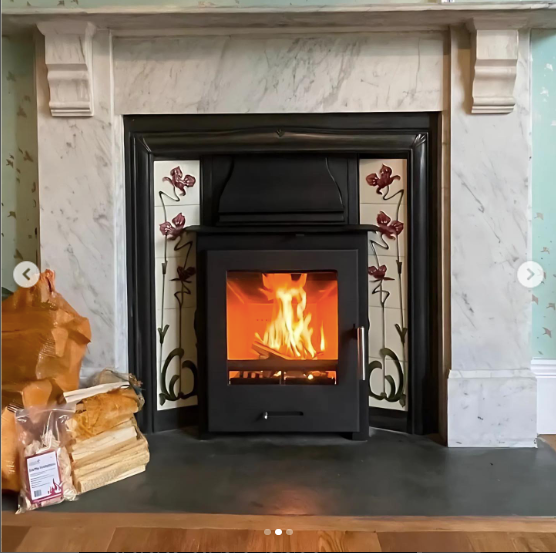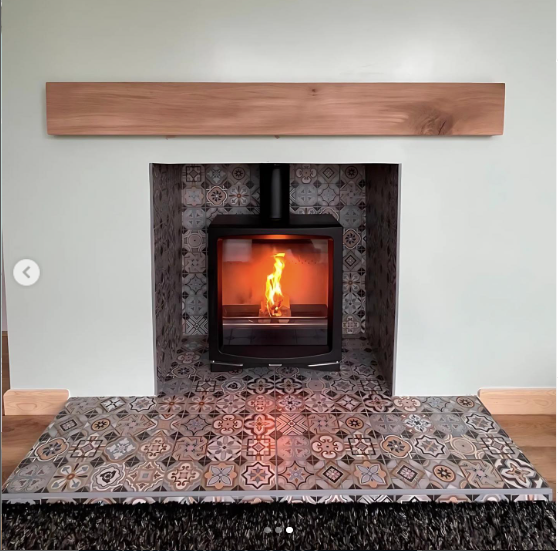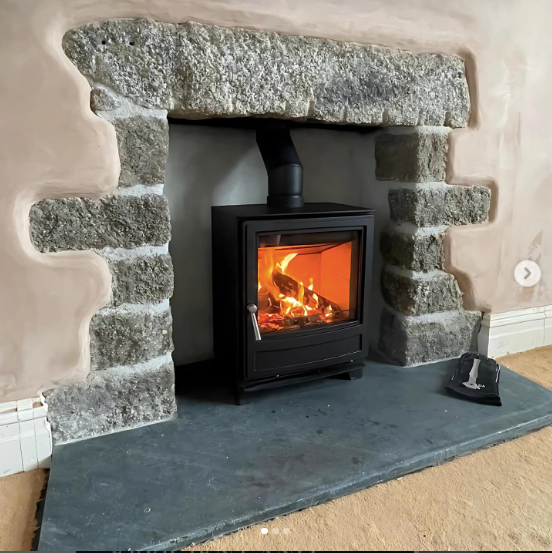
The way stoves are assessed in the UK changed significantly with the introduction of new health ratings designed to give homeowners clearer information about emissions and air quality impact. These A to C ratings go beyond efficiency labels and focus specifically on how a stove affects indoor and outdoor air quality. For Cornwall homeowners choosing between wood burners pellet stoves or alternative fire solutions understanding these health ratings is now essential. They influence appliance selection compliance, future regulations and long-term suitability particularly in areas with sensitive environments and mixed housing types.
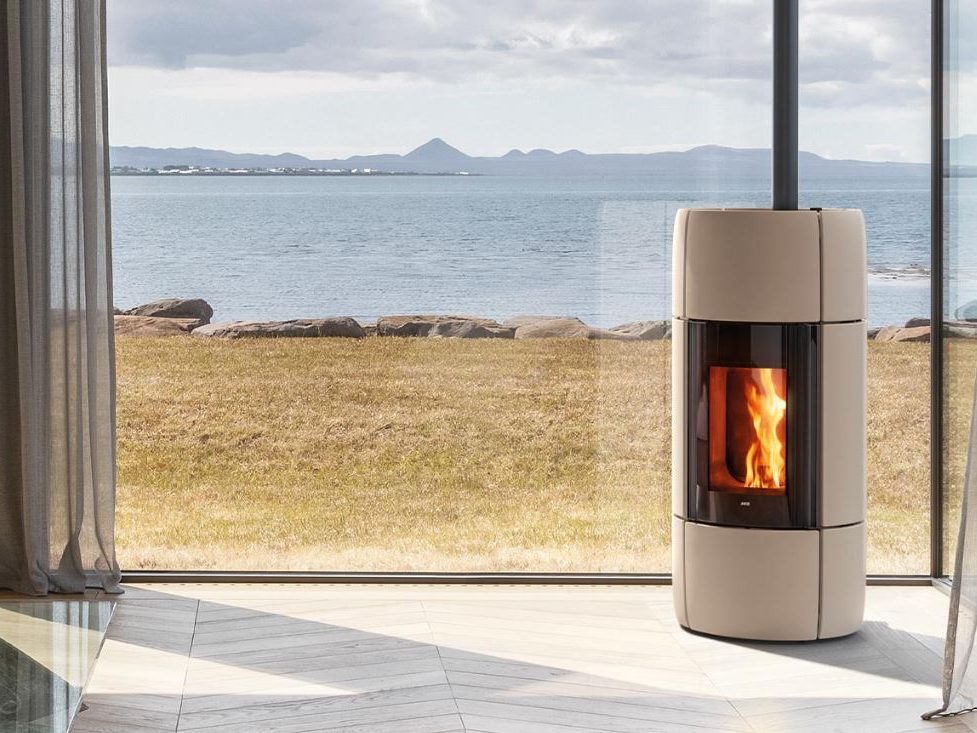
Stove health ratings were introduced to address confusion around emissions and air quality. While Ecodesign regulations already limited emissions many homeowners struggled to understand how different appliances compared in real-world use.
The A to C health rating system provides a simple visual indicator of a stove’s emission performance. It allows consumers to quickly identify which appliances produce the lowest levels of harmful particulates and gases.
This transparency supports informed decision-making and encourages the adoption of cleaner heating technologies across the UK.
The health rating scale ranges from A to C with A-rated appliances offering the lowest emissions and best overall air quality performance.
These ratings are based on controlled testing that measures particulate matter carbon monoxide and combustion efficiency under defined conditions.
Efficiency ratings focus on how effectively a stove converts fuel into usable heat. Health ratings focus on emissions and air quality impact.
A stove can be efficient but still produce higher particulate emissions if combustion is inconsistent or poorly controlled. The health rating highlights this distinction.
For Cornwall homes where air quality and environmental impact are key considerations the health rating is often more relevant than efficiency alone.

Pellet stoves consistently achieve A ratings due to their automated operation and sealed combustion systems.
Fuel is delivered in precise quantities and combustion conditions remain stable. This minimises incomplete combustion which is a major source of particulate emissions.
Because the door remains closed during operation pellet stoves also reduce indoor pollution associated with lighting and refuelling. This makes them one of the cleanest solid fuel heating options available.
Modern wood burners that meet Ecodesign and Defra exemption standards often achieve A or B ratings when used correctly.
Advanced combustion chambers, secondary air systems and improved airflow control significantly reduce emissions compared to older stoves.
However wood burner performance is more dependent on user behaviour. Burning wet logs or overloading the fire can increase emissions and affect health rating performance in real-world use.
Older stoves and open fires typically fall into the C category due to inefficient combustion and high particulate output.
These appliances lack secondary combustion systems and rely heavily on manual airflow control. As a result emissions are higher and less predictable.
Many older appliances are being phased out or restricted and upgrading to a higher-rated stove offers immediate air quality benefits.
Health ratings consider both outdoor emissions and indoor air quality impact. Indoor pollution spikes often occur during lighting refuelling and airflow adjustment.
Pellet stoves perform particularly well due to automated ignition and closed fireboxes. Modern wood burners reduce indoor pollution but still rely on careful operation.
For households with children elderly occupants or respiratory sensitivities prioritising an A-rated appliance can make a meaningful difference.
Cornwall’s mix of coastal towns, inland valleys and rural villages means air quality can vary significantly. Still winter conditions can trap pollutants particularly in built-up areas.
Choosing higher-rated stoves helps reduce cumulative emissions and supports cleaner local air. This is especially important in towns such as Truro Falmouth Penzance and St Ives.
Health ratings also help future-proof installations as regulations continue to tighten.

Health ratings assume correct installation and suitable fuel use. Poor installation or incorrect flue sizing can increase emissions regardless of appliance rating.
Professional installation ensures stoves operate within tested parameters. Regular servicing maintains clean combustion and protects health rating performance over time.
Using certified fuel is essential to achieve rated emission levels in everyday use.
Health ratings should be considered alongside property type lifestyle and heating needs. Pellet stoves suit homeowners seeking consistent clean performance with minimal input.
Wood burners suit those who prefer traditional operation but require careful fuel management and use to maintain low emissions.
Understanding health ratings allows homeowners to balance aesthetics, convenience and air quality responsibly.
The new UK stove health ratings give homeowners a clear way to compare appliances based on air quality impact rather than marketing claims. For Cornwall homes they provide guidance on choosing heating systems that align with clean air expectations and future regulations.
By selecting higher-rated appliances and ensuring professional installation you can enjoy efficient reliable heating while protecting indoor air quality and contributing to a cleaner environment for your home and community.
Our commitment to exceptional customer service extends beyond the sale. We offer comprehensive after-sales care to ensure your complete satisfaction.
We believe in offering high-quality services at fair prices. Our curated selection of stoves is a testament to our commitment to excellence.
We want your experience of choosing and purchasing your new stove to be a straight forward process and for you to feel at complete ease.